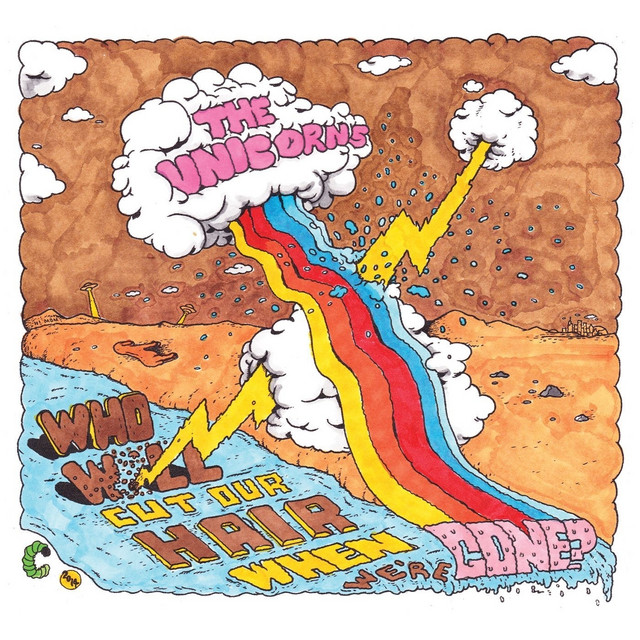
The Unicorns
Artist analysis 𐡸
The Unicorns compress twee melody, lo-fi wobble, synthy toy-box arrangements, and theatrical morbidity into songs that feel like children’s TV performed after reading an autopsy report. Their world is antic but doomed: death, ghosts, hospitals, failed resurrection, unreliable narration, and friendship as a temporary bandage. The best literary matches should be funny without being cozy, formally playful without becoming academic, and emotionally sincere beneath handmade absurdism—books where the cute, broken, and apocalyptic occupy the same cardboard stage.
Fan analysis 𐡸
A serious Unicorns fan likely enjoys art that is scrappy, strange, melodic, and existential: jokes that suddenly reveal dread, naïve surfaces hiding metaphysical panic, and DIY worlds held together with tape. They may prefer cult fiction, fabulism, deadpan surrealism, and coming-of-age melancholy over polished realism. The right books should feel slightly haunted, handmade, and unstable, with sweetness curdling into mortality rather than irony staying safely detached.
-

The Tartar Steppe
Its deceptively simple fable of waiting for a doom that may never arrive matches The Unicorns’ obsession with death as both cosmic joke and organizing principle. Buzzati’s spare absurdism has the same childlike, sing-song fatalism: cute shapes arranged around an abyss.
-

The Melancholy of Resistance
A town destabilized by a traveling whale and apocalyptic rumor fits the band’s carnival-of-collapse energy. Beneath the grotesque spectacle is a strange tenderness toward misfits, panic, and communal delusion—like a lo-fi pop song stretched into an ominous, broken fairground procession.
-

The Manual of Detection
Berry’s dream-detective machinery, deadpan bureaucracy, and storybook noir offer the same handmade surreal architecture as The Unicorns’ arrangements: whimsical gears clicking toward dread. Its mystery logic feels like a toy instrument playing a funeral march in a room full of paper moons.
-

The Suicide Shop
A family business selling death to cheerful customers is almost too precisely tuned to The Unicorns’ comic-morbid register. The book’s candy-colored black humor, theatrical premise, and refusal to separate cuteness from annihilation mirror the band’s gleeful treatment of mortality as singalong material.
-

The Brief and Frightening Reign of Phil
Saunders turns political cruelty into a cartoon mini-state with absurd bodies and bureaucratic violence, matching the band’s knack for making tiny homemade worlds feel catastrophic. Its compressed, puppet-show brutality suits fans who like whimsy sharpened into existential and social menace.
-

Hard-Boiled Wonderland and the End of the World
Its split structure—cybernetic noir beside a sealed, dreamlike town—echoes The Unicorns’ tonal jumps between playful circuitry and ghostly melancholy. The novel’s unicorn imagery is incidental but irresistible, while its emotional core is memory, self-erasure, and lonely enchantment under pop-surreal surfaces.
-

The Vet's Daughter
Comyns’ flat, uncanny voice makes cruelty, levitation, domestic horror, and fairy-tale strangeness feel disarmingly matter-of-fact. That mixture of naïve narration and deep unease aligns with The Unicorns’ ability to sound fragile, funny, and doomed all at once.
-

The Seas
Hunt’s coastal, possibly-mermaid narrator inhabits a world of grief, failed escape, and magical self-invention. Its saltwater melancholy and unstable innocence pair well with Unicorns fans drawn to fragile voices, romantic delusion, and the feeling that fantasy is both survival strategy and symptom.
-

Edwin Mullhouse: The Life and Death of an American Writer 1943–1954, by Jeffrey Cartwright
A mock-biography of a child genius who dies young, narrated with obsessive seriousness, fits the band’s miniature epic scale and morbid playfulness. Millhauser’s precision turns childhood creativity into cult mythology, making innocence feel elaborate, funny, and already posthumous.
-

The Orange Eats Creeps
For fans who hear the noise, rot, and undead adolescence under the band’s sweetness, Krilanovich offers feral vampire-punk drift through the Pacific Northwest. It is messy, cultish, hallucinatory, and emotionally diseased—the basement-show afterimage of twee pop’s darker supernatural impulses.
Find the books inside the band.
Looking for your next book? Enter a band or musical artist. We'll analyze their body of work, the likely psychology and taste profile of their fans, then return a ranked reading list.